
Forestieri Gallery
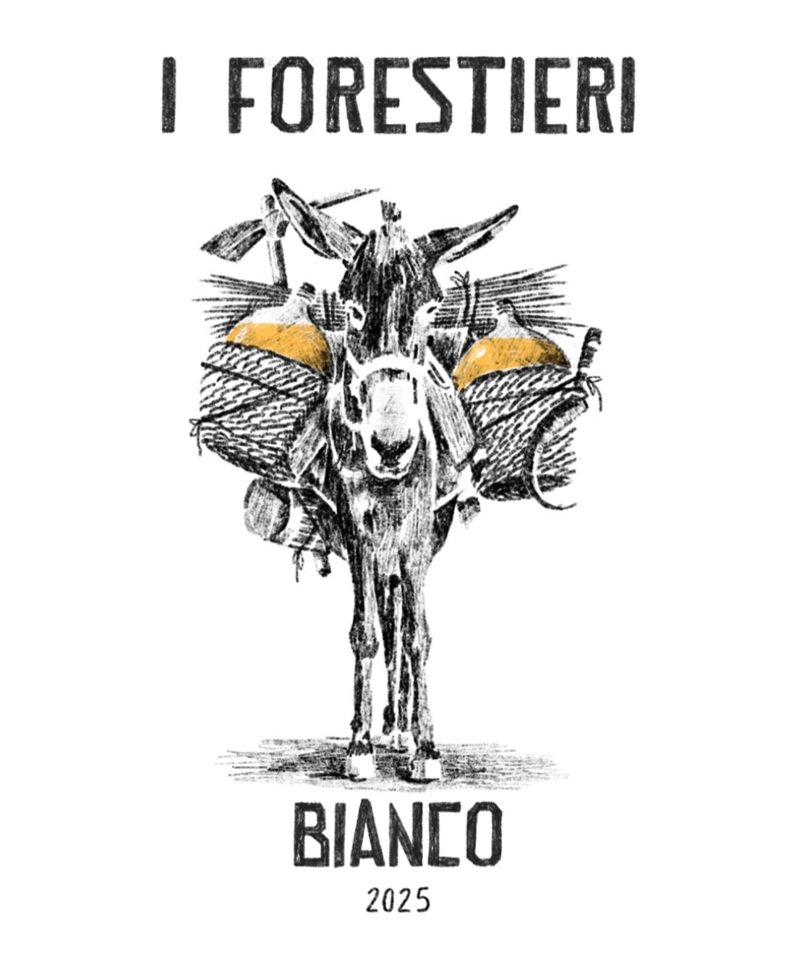
i Forestieri Bianco
Malvasia 30% – Vermentino 27% – Trebbiano 25% – Sangiovese 18%. The four grape varieties are harvested and vinified separately. Vinification takes place mainly in concrete tanks. Malvasia, Vermentino and Sangiovese (vinified as a blanc de noir) undergo direct pressing, while the Trebbiano has a short skin contact of no more than two days.
The wines are kept separate until the blending stage around December, when we “tailor” the wine by assembling the four different components together. This is followed by a short resting period in stainless steel and bottling in Spring.
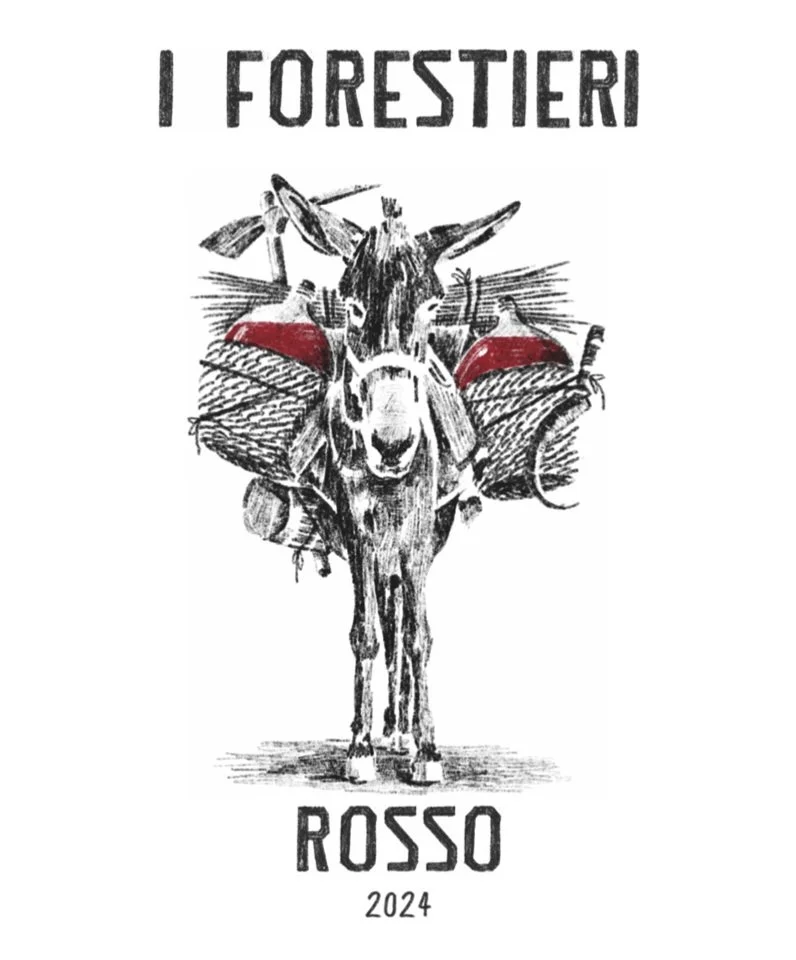
i Forestieri Rosso
Sangiovese 73% – Ciliegiolo 12% – Trebbiano 12% – Merlot + Cabernet Sauvignon 3%. Fermentation takes place in concrete tanks with 40% whole clusters, using the “Millefoglie” technique (alternating layers of whole clusters and destemmed berries). The wine undergoes 7 days of skin maceration. Aged in concrete tanks.

Rigomale Bianco
“Rigomale is the name of a nearby creek or ditch, but also an unconventional skin-macerated white, the son of two opposite vinifications. The long journey of Trebbiano left to rest on the skins for 5 months in amphora meets Malvasia direct-press, for for acidity and vibrancy. Blended and finished in concrete before bottling.”

Girotondo Rosato
“It is the saline expression of Sangiovese. Direct pressing of the grapes. Fermentation and aging in stainless steel.”

Girotondo Rosso
“It is our daring tour in pursuit of the grapes with greater acidity and freshness. Mainly Sangiovese with about 5% Malvasia. Semi-carbonic maceration with 20 days skin contact and aging in concrete. A wine without unnecessary frills from this mountain Maremma.”

I Forestieri Rosso
“It is the selection of the best grapes from the highest plots at 600 meters. Here, 80% Sangiovese meets Ciliegiolo, Alicante Nero (Grenache), Montepulciano, but also other unknown varieties. It is our thought translated into wine.
Fermentation with a percentage of whole clusters takes place in terracotta and ceramic amphorae where it remains there for about 4 months. After racking it rests in amphora for another 5/6 months; its journey ends with an aging in bottle for about 10 months.
A long journey in search of refinement and elegance.”
Quisque iaculis facilisis lacinia. Mauris euismod pellentesque tellus sit amet mollis.